Slide 1 / 13
Northeastern University
Computational Elucidation of the Non-De Mayo
Photochemical Pathway in 1,3-Dicarbonyl/Amino-Alkene Systems
18th August, 2025
Nimasha Thejani
Lopez Group
The De Mayo Legacy Timeline
60+ Years of Photochemical Innovation
1960s
DISCOVERY
De Mayo publishes groundbreaking photochemical [2+2] cycloaddition
Birth of Reaction
1970s-80s
MECHANISM STUDY
Understanding how [2+2] works, retro-Aldol mechanism elucidated
Deep Understanding
1990s-2000s
APPLICATIONS
Made drugs, natural products, complex molecular architectures
Synthetic Boom
2021
NEW DISCOVERY
Kandappa: Reaction CHANGED! Revolutionary modification discovered
Paradigm Shift!
The De Mayo Legacy
"Epochal impact" • Seminal role in photochemistry • Unchanged for 60 years until 2021 breakthrough
Impact: Thousands of papers & applications
De Mayo Reaction: Core Mechanistic Pathways
Staple Photochemical [2+2] Cycloaddition - Unchanged for 60+ Years
Classic Pathway: β-Hydroxy Enone
-
1
Starting: β-Hydroxy enone + Alkene
-
2
[2+2] Photocycloaddition: Occurs at 3,4-position, forms cyclobutane
-
3
Retro-Aldol Ring Opening: β-OH facilitates cleavage
-
4
Product: 1,5-Dicarbonyl (Linear, versatile)
Variant: Enaminone Pathway
-
1
Starting: Enaminone + Alkene
-
2
[2+2] Photocycloaddition: Same mode, cyclobutane
-
3
Retro-Mannich Opening: N-involvement in breaking
-
4
Product: Ketoimine (C=N functionality)
Breaking 60 Years of Photochemical Dogma
Kandappa et al. - New Excited State Pathway Bypasses De Mayo Reaction
Traditional De Mayo (1962-2020)
1,3-Dicarbonyl + Alkene → [2+2] → Cyclobutane → Ring Opening
Product: 1,5-Dicarbonyl (Linear)
Kandappa Discovery (2021)
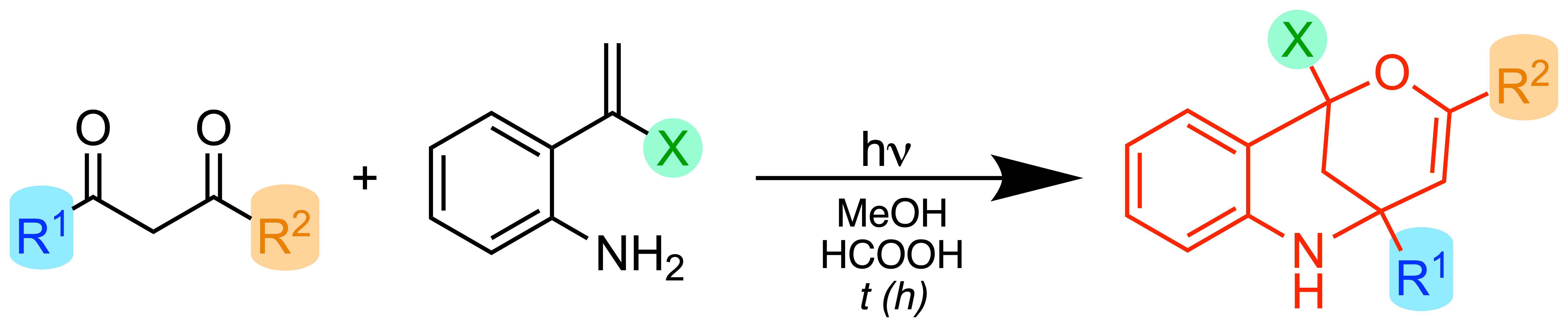
1,3-Dicarbonyl + Amino-Alkene → NEW Pathway → Direct Cyclization
Product: Dihydropyrans (Bicyclic)
🔑 Key Discovery: Amino Group Changes Everything
Control Factor: Amino-alkene activates different excited state
One Step: Planar → bicyclic transformation
No De Mayo: Completely bypasses [2+2] cycloaddition
Stereochemistry: Complex 3D structure control
Experimental Validation: New Photochemical Pathway
Systematic Investigation of 1,3-Dicarbonyl + Amino-Styrene Photocycloaddition
Optimized Conditions
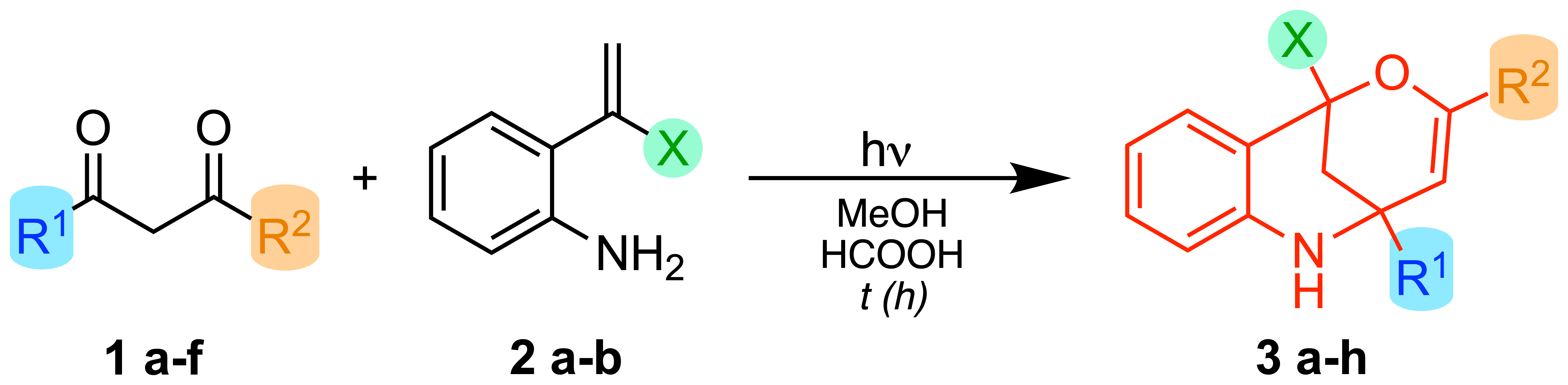
Reactants: 1-Ph-1,3-butanedione (1a) + Amino-styrene (2a)
Light: hν (350 nm), 6h
Solvent: MeOH
Catalyst: HCOOH (cat.)
Atmosphere: N₂ purge
Pre-irrad: 4h stir
80%
Isolated Yield (3a)
✓ Column chromatography
✓ Single crystal X-ray structure
Structure-Activity Relationship (SAR)
| Entry |
R Group |
Electronic |
Yield |
Key Factor |
| 1c |
p-F-Ph |
EWG |
84% |
Best yield! |
| 1a |
Ph |
Neutral |
80% |
Standard |
| 1e |
p-OMe-Ph |
EDG |
67% |
Good |
| 1d |
Naphthyl |
Extended π |
37% |
Moderate |
| 1b |
Me |
Alkyl |
15% |
Low UV abs |
| 1f |
Strong EDG |
Very e⁻-rich |
~2% |
Too e⁻-rich |
Electronic Effects:
EWG > Neutral > EDG > Strong EDG
Critical for conversion (Ph >> Me)
Optimal R:
Aromatic with mild EWG (p-F)
Yield Range: 2-84% depending on electronics
Product Scope: Dihydropyran Library
~350 nm Irradiation • Isolated Yields
3a
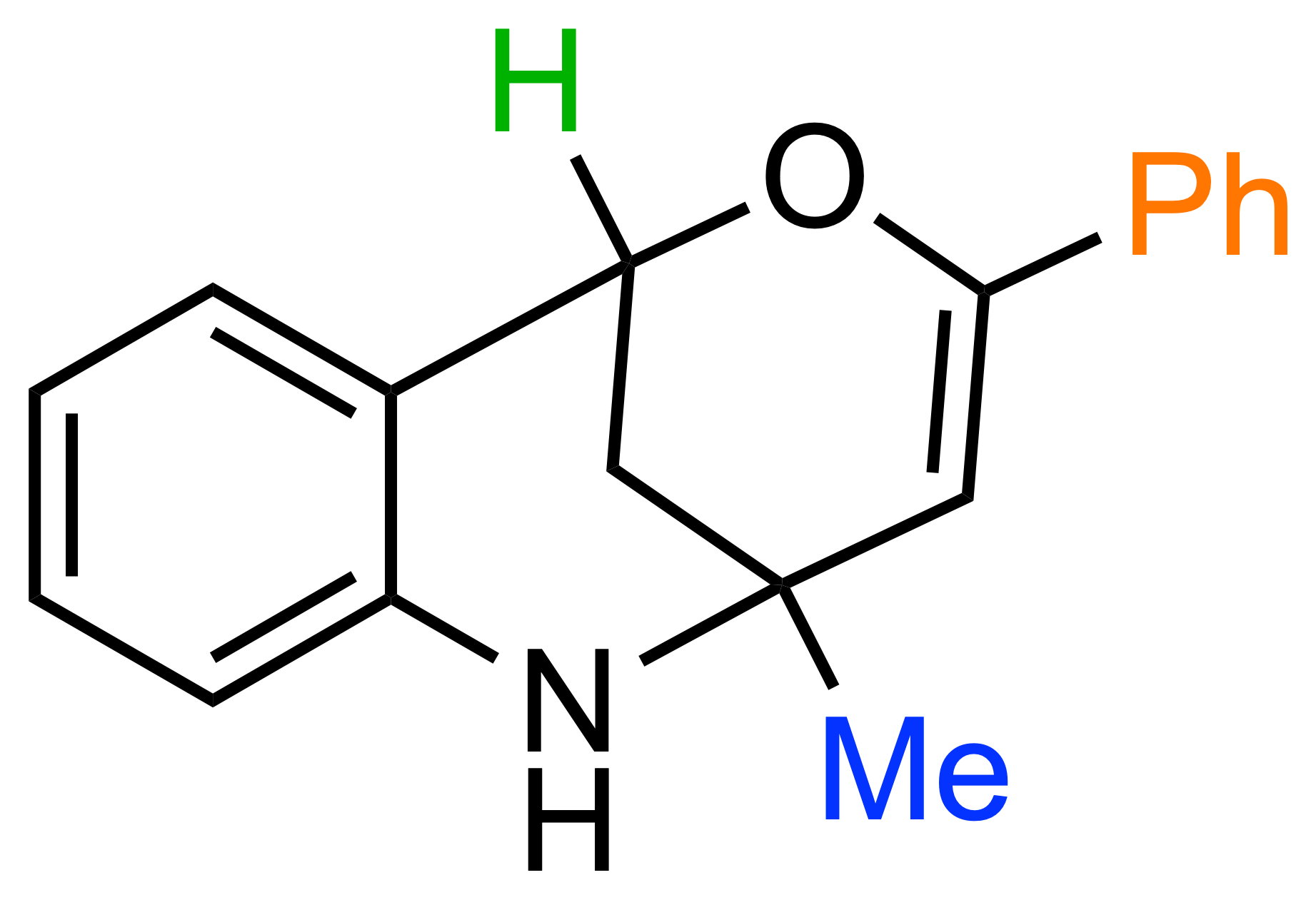
80%
R²=Ph, R¹=Me
3b
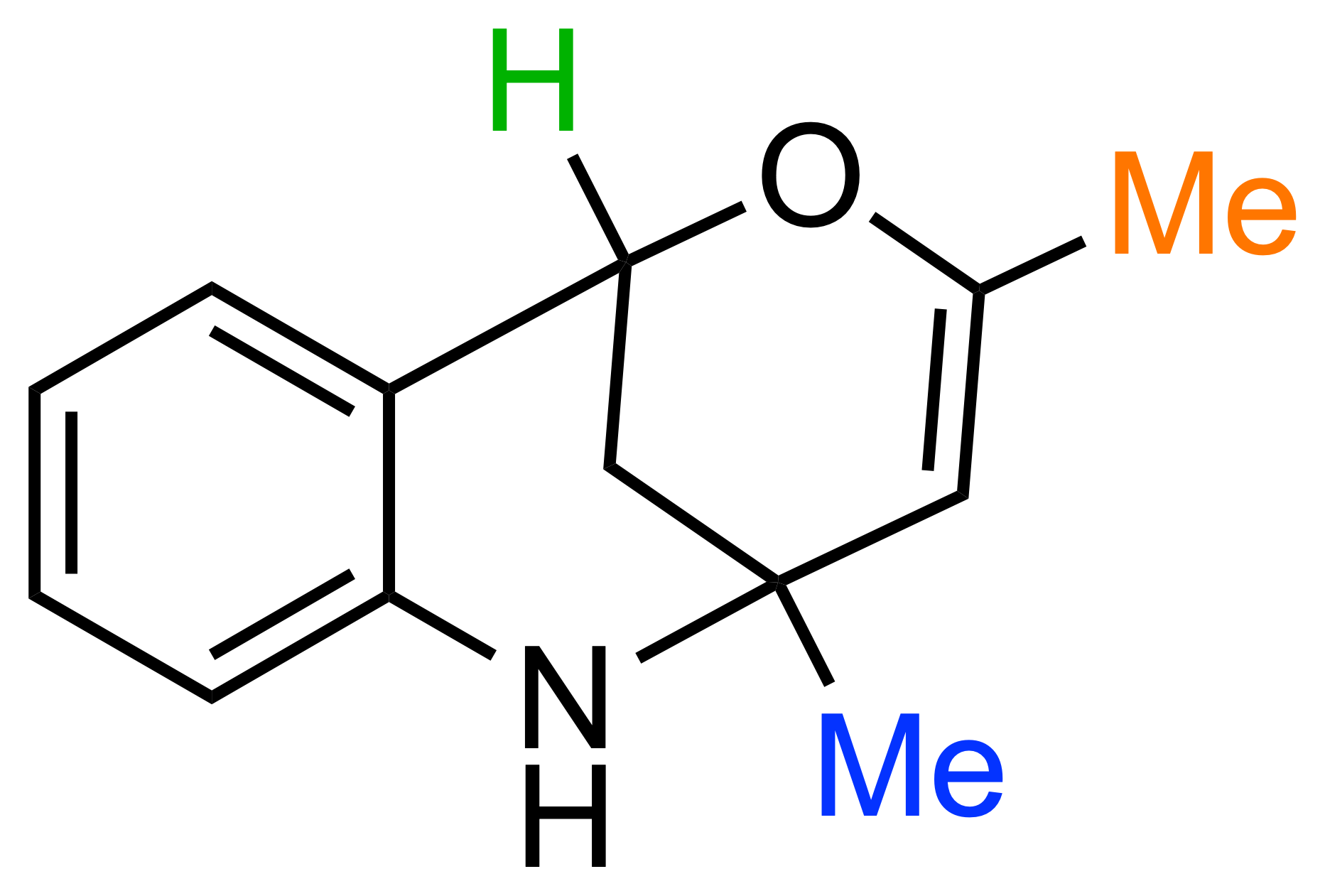
15%
R²=Me, R¹=Me
3c
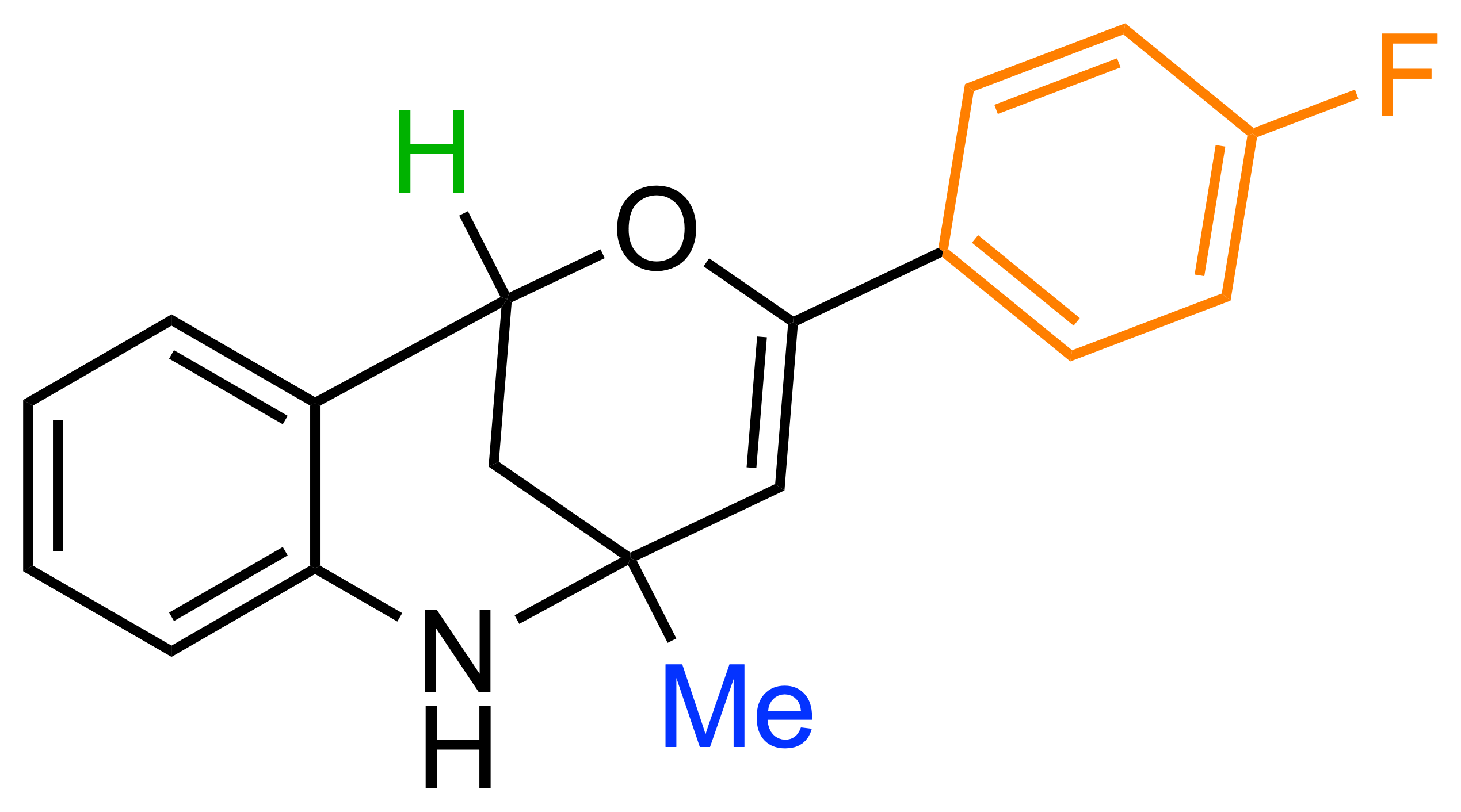
84%
R²=p-F-Ph, R¹=Me
3d
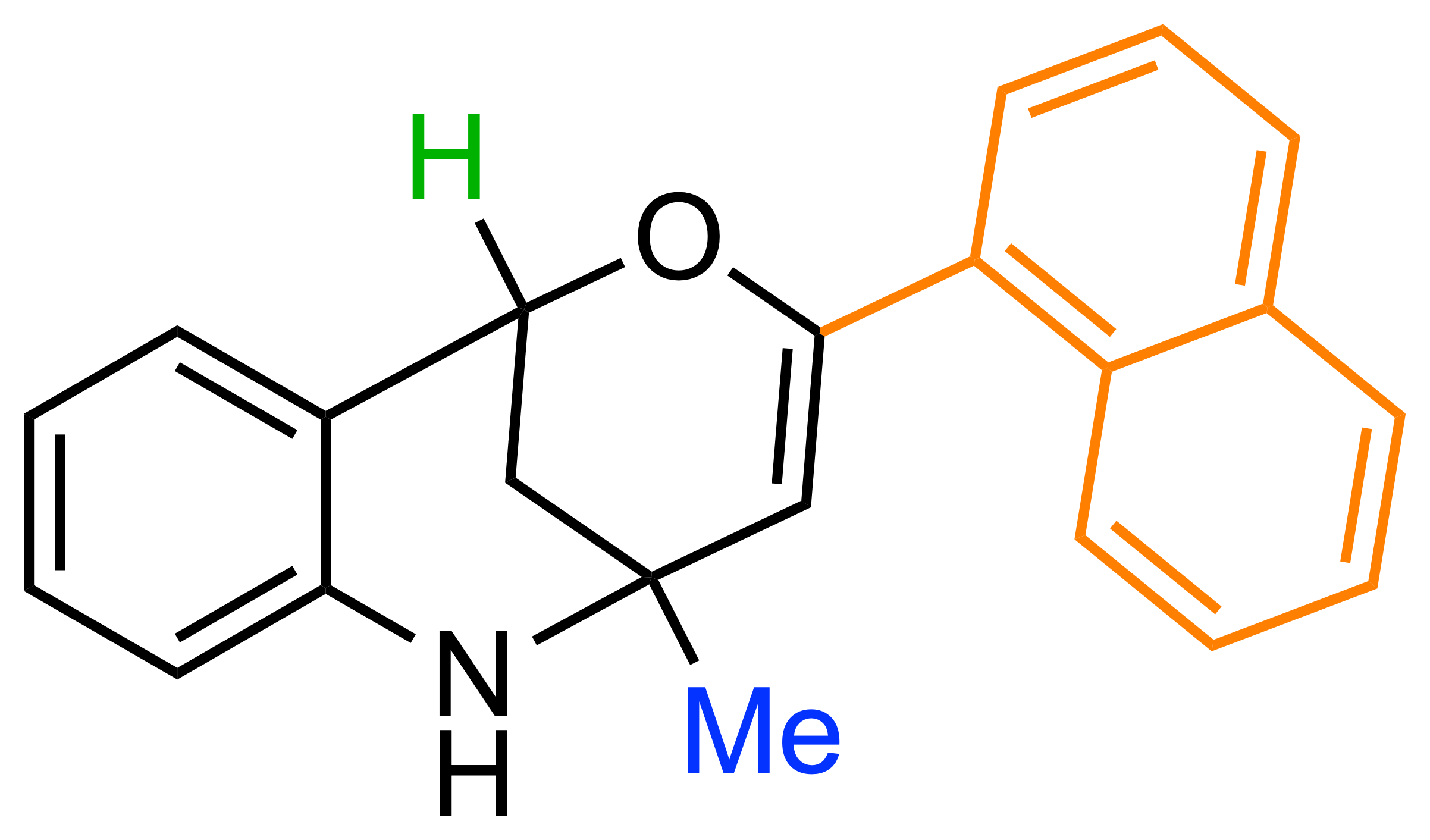
37%
R²=Naphthyl, R¹=Me
3e
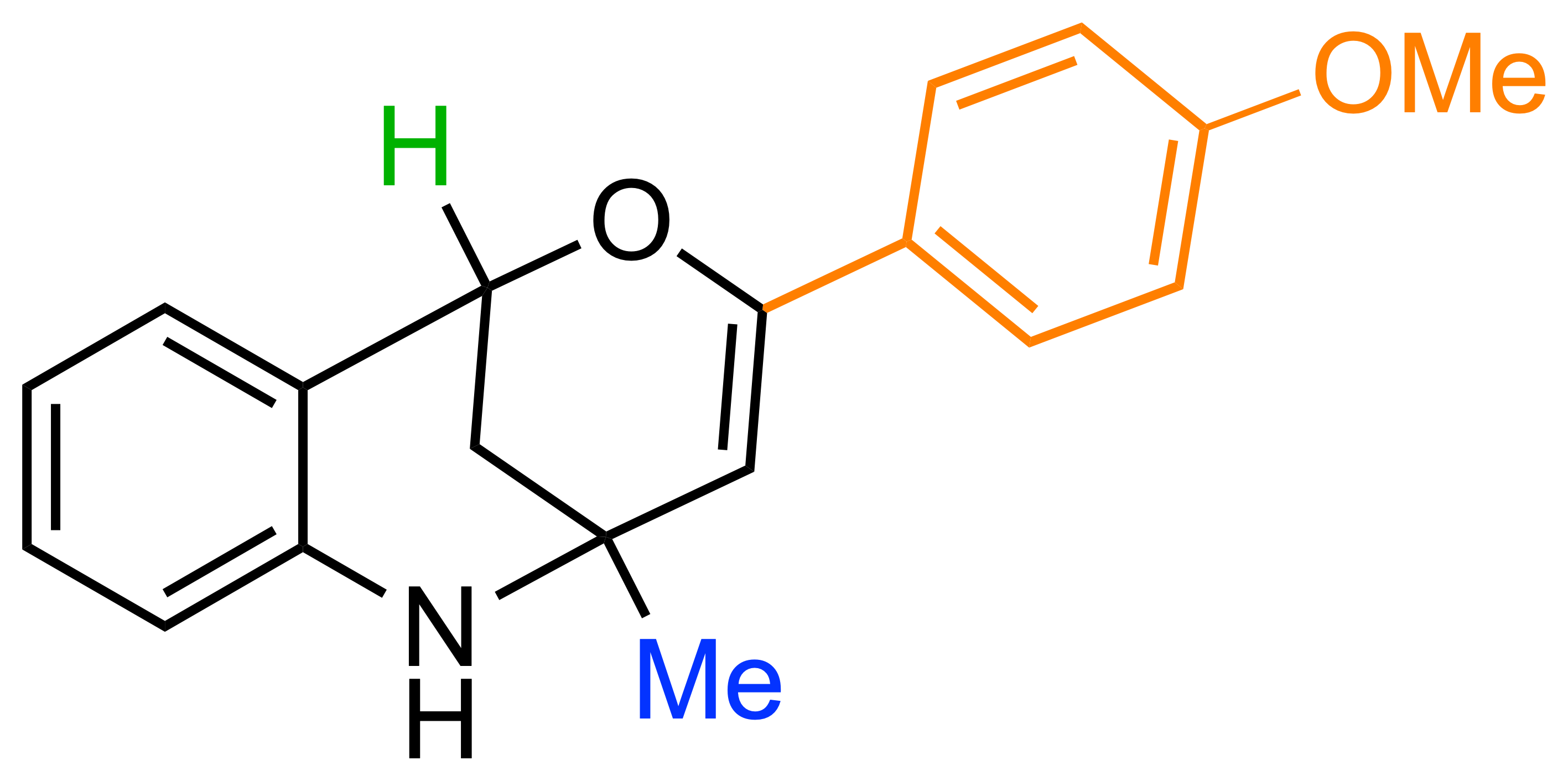
67%
R²=p-OMe-Ph, R¹=Me
3f
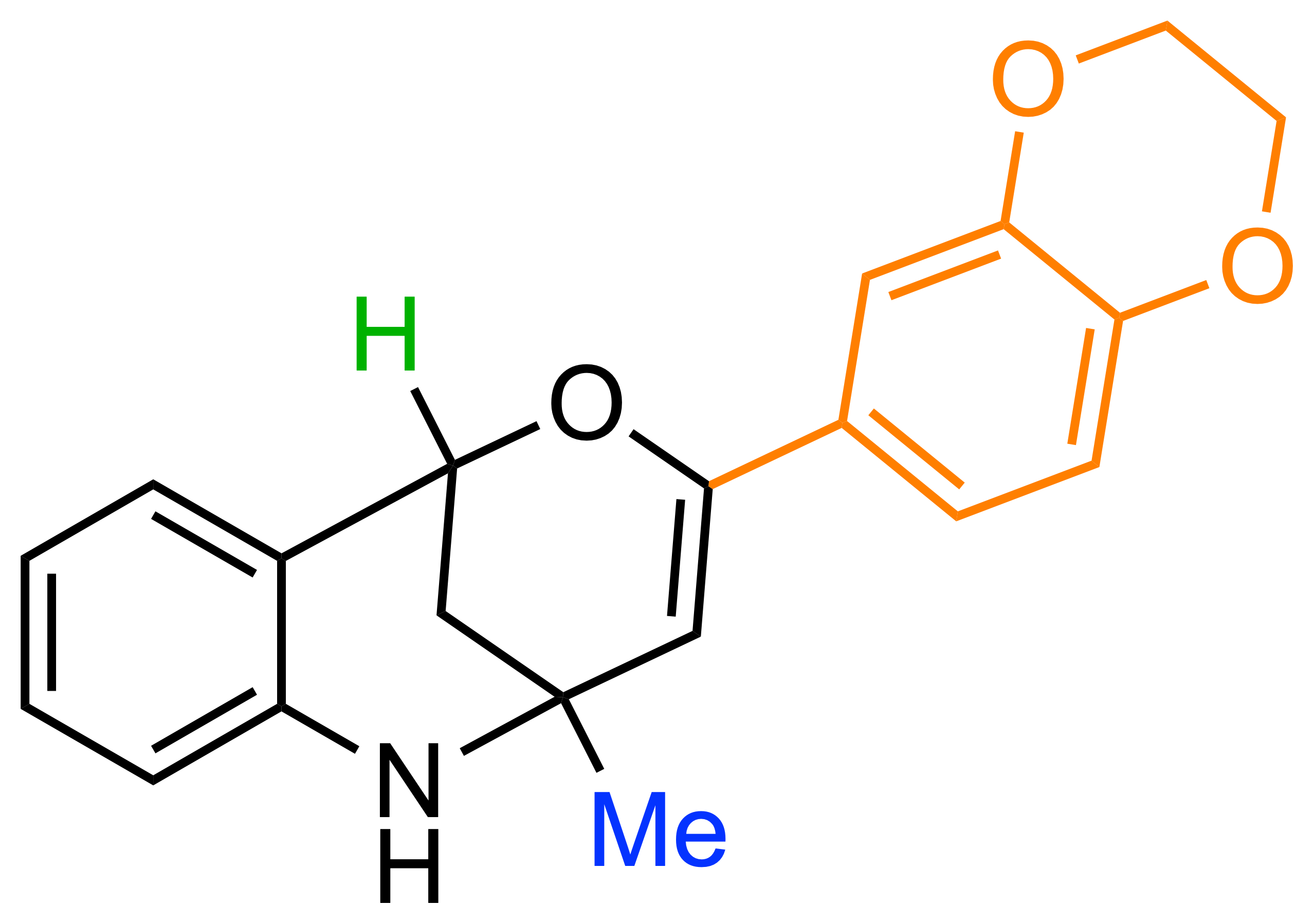
~2%*
R²=EDG, R¹=Me
3g
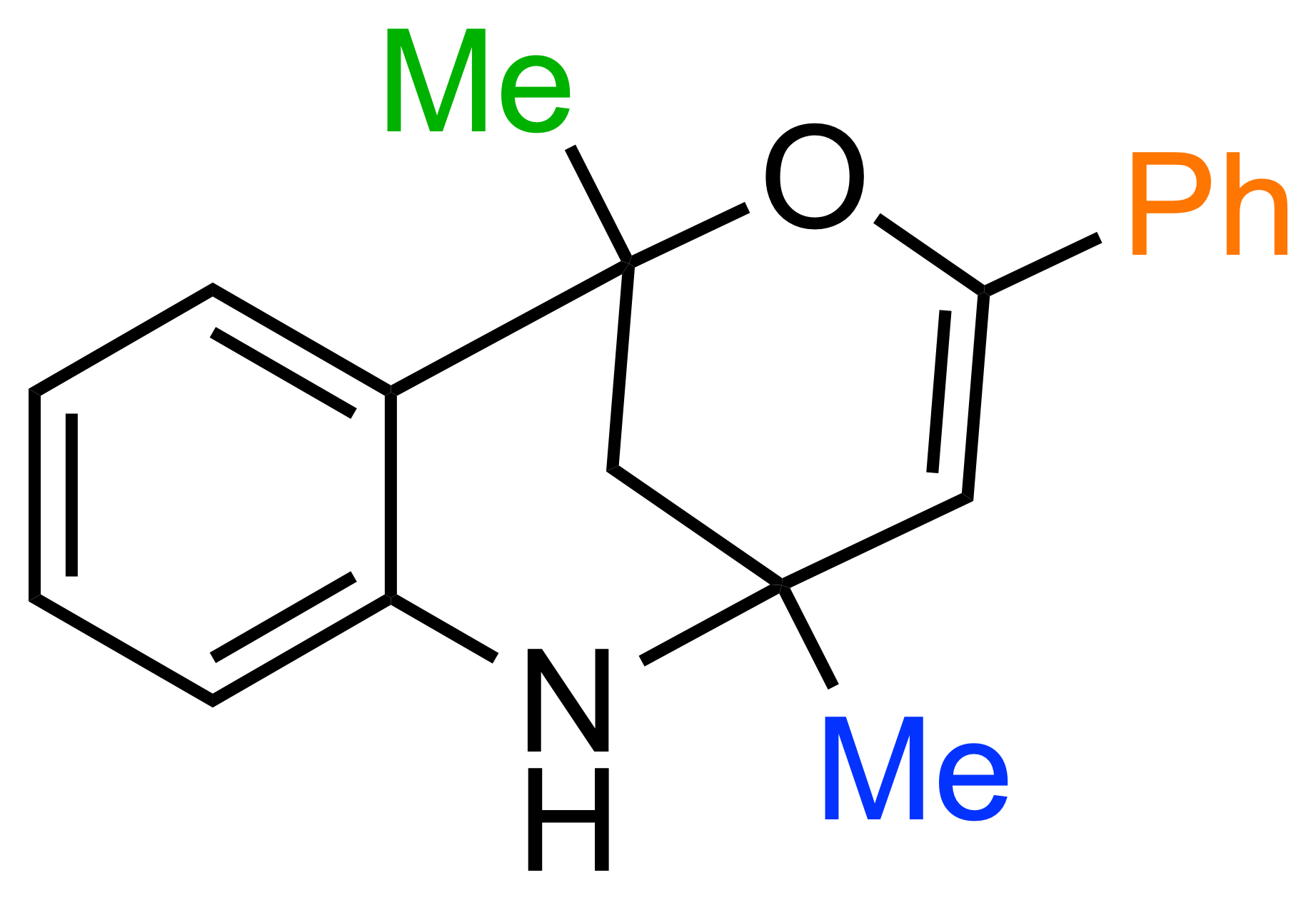
64%
X=Me, R²=Ph
3h
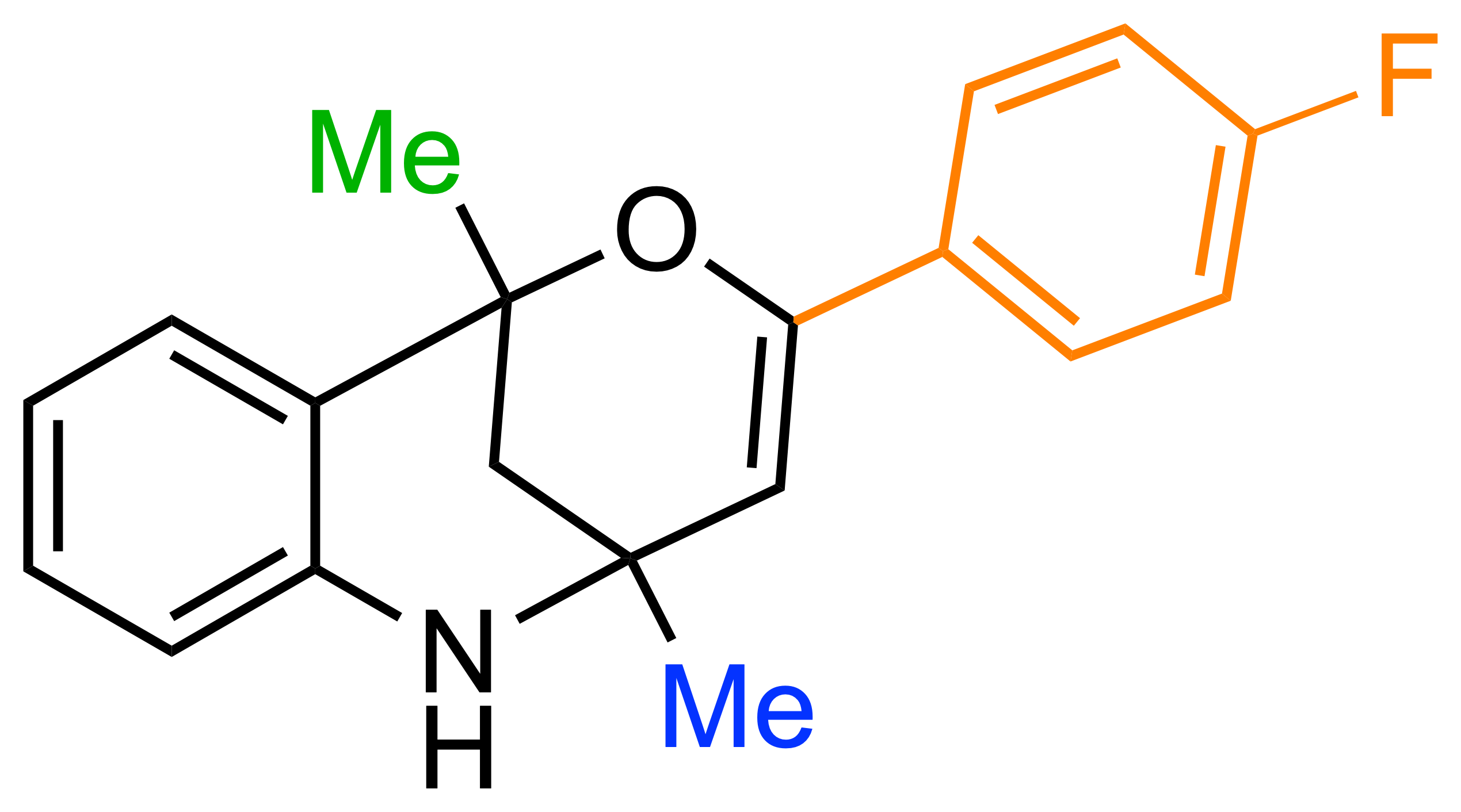
71%
X=Me, R²=p-F-Ph
Key Structural Features
All products contain: Bicyclic dihydropyran core • NH group • Stereocenters • Functional handles for derivatization
Amino-Styrene Structural Effects: α-Substitution Impact
Discovering the Rate-Yield Trade-off in New Photochemical Pathway
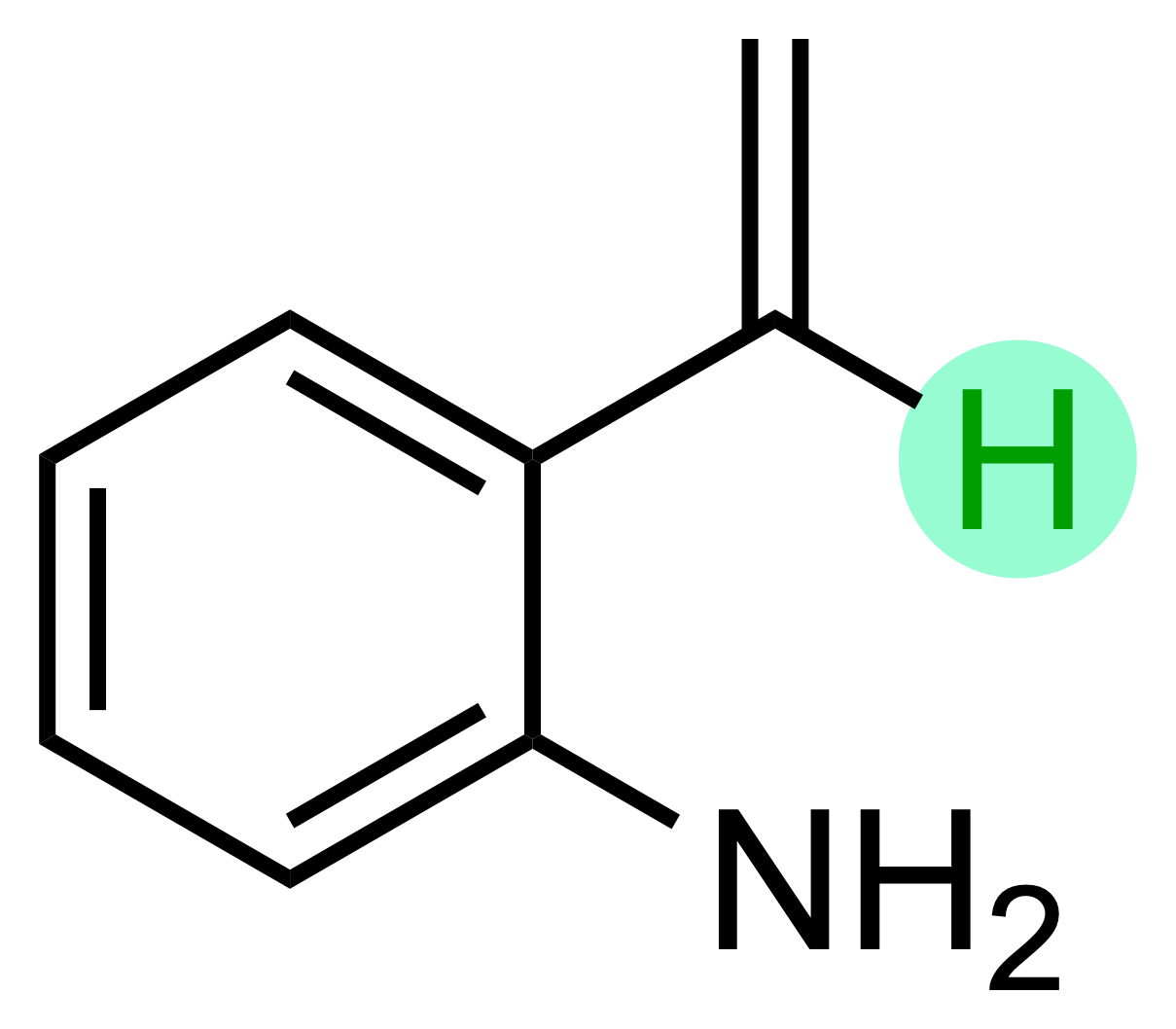
Amino-Styrene 2a (Unsubstituted)
Ph-CH=CH-NH₂
H at α-position
Yield: 80% (3a)
Time: 6 hours
Rate: Standard
Profile: High yield
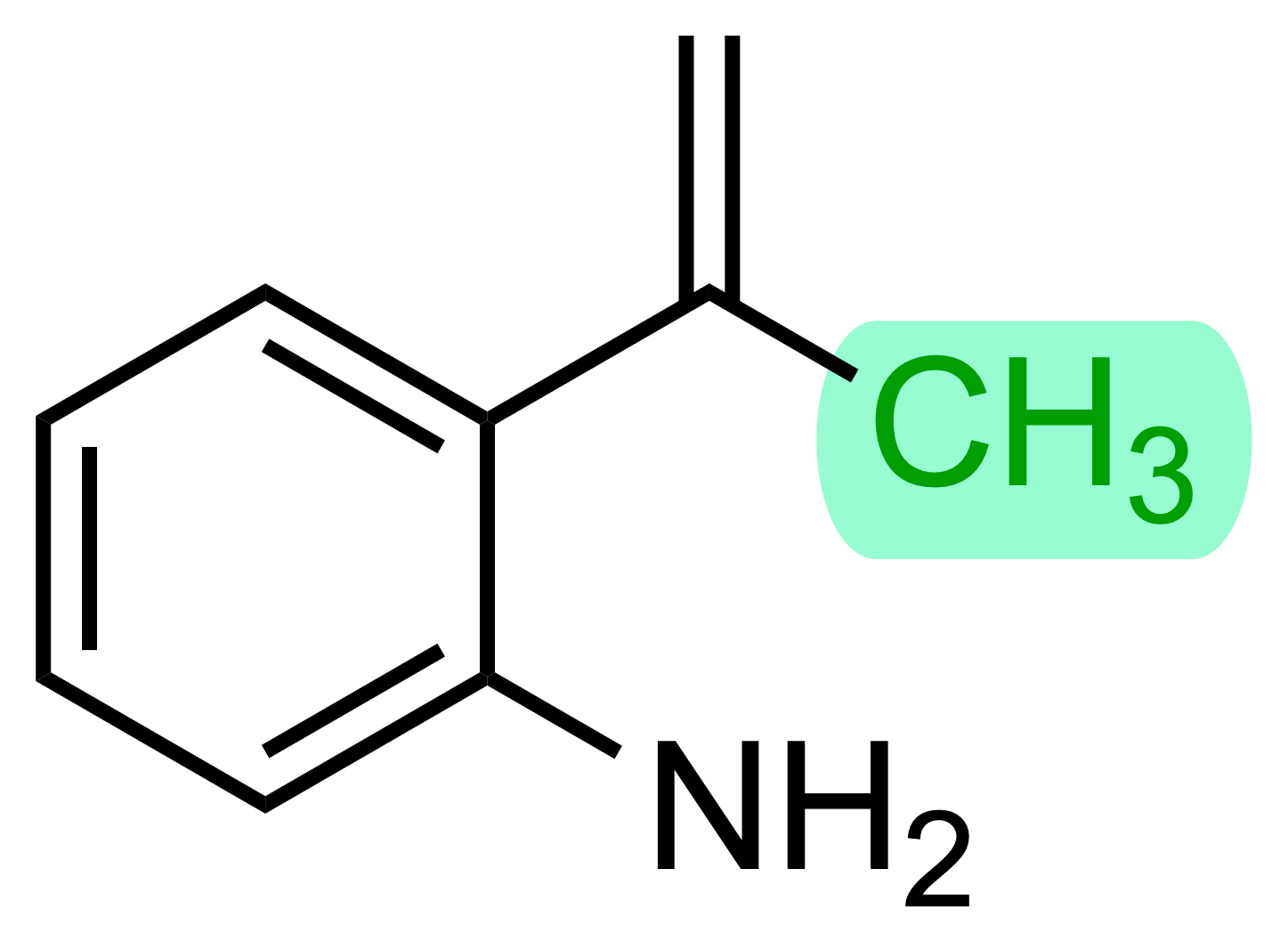
Amino-Styrene 2b (α-Methyl)
Ph-C(CH₃)=CH-NH₂
CH₃ at α-position
Yield: 64% (3g)
Time: 1-2 hours
Rate: 3-6× faster!
Profile: Fast reaction
Comparative Results: 2a vs 2b with Different Diketones
| Diketone |
Styrene 2a (H) |
Styrene 2b (CH₃) |
| Product |
Yield |
Time |
Product |
Yield |
Time |
| 1a (Ph) |
3a |
80% |
6h |
3g |
64% |
1-2h |
| 1c (p-F-Ph) |
3c |
84% |
6h |
3h |
71% |
1-2h |
2a (Unsubstituted)
↑ Yield (80-84%)
but
↓ Rate (6 hours)
2b (α-Methyl)
↑ Rate (1-2 hours)
but
↓ Yield (64-71%)
Mechanistic Implications
- ⚡ α-Methyl substitution dramatically accelerates reaction (3-6× faster)
- 🔄 Different transition states suggested
- ⚖️ Steric effects influence pathway selectivity
- 🧪 Electronic effects from CH₃ group
- ❌ NOT traditional De Mayo behavior
Discovery of the Enaminone Intermediate
The True Photoreactive Species in the New Pathway
Discovery Timeline
-
1
Mixing (4h): 1a + 2a in MeOH → UV-vis absorption change observed
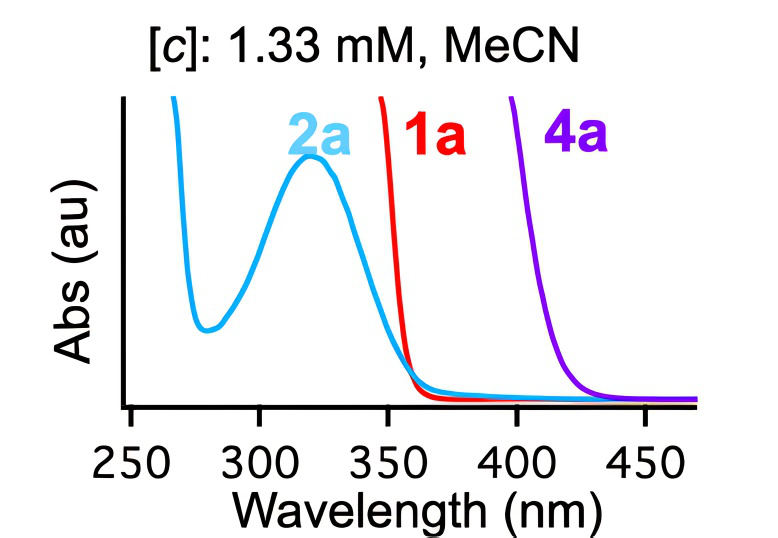
UV-Vis absorption spectrum showing change
-
2
¹H NMR Analysis: New species identified → Enaminone 4a
-
3
Independent Synthesis: Confirmed by heating & microwave methods
-
4
Structural Confirmation: X-ray crystallography of Z-isomer
¹H NMR Evidence
- • Z and E isomers detected
- • Heating (85°C, 10 min)
- Z:E = 1:0.05
- Z-isomer thermodynamically favored
X-ray Crystallography
Z-Isomer Structure:
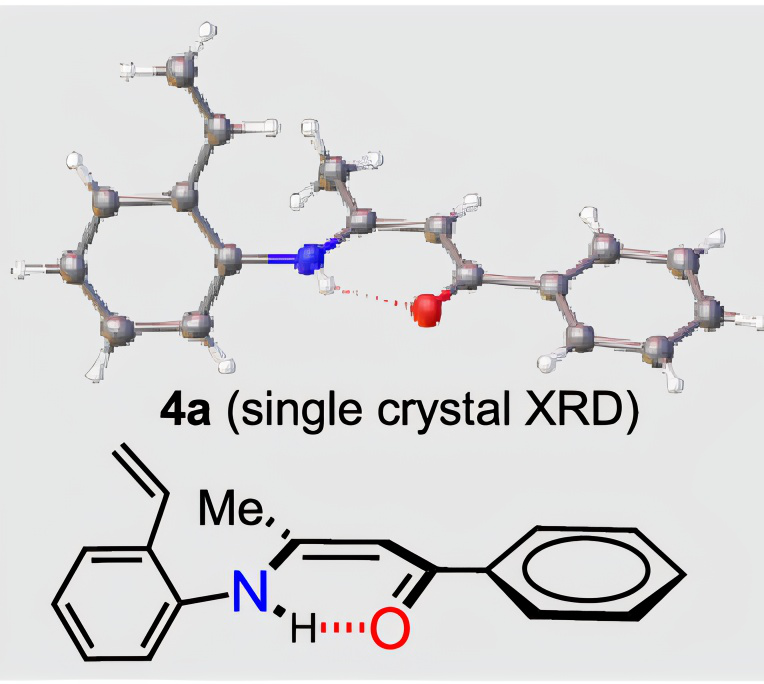
X-ray crystal structure of Z-isomer
- • Intramolecular H-bonding
- • O···H-N interaction
- • Planar conformation
- • Stabilized geometry
Revised Reaction Mechanism
1a-f + 2a,b
Starting materials
→
hν
350 nm
⚠️ NOT a De Mayo Reaction - No [2+2] Cycloaddition!
⭐ 4a = True Chromophore ⭐
The enaminone intermediate is the actual light-absorbing species
Proof: Enaminone 4a is the True Photoreactive Species
Direct Irradiation Studies Confirm Mechanistic Hypothesis
Comparative Yield Study
Route A: In Situ
80%
1a + 2a → 4a → 3a
Route B: Direct
76%
Pure 4a → 3a
✓ Nearly identical yields prove 4a is the reactive species!
Solvent Effect on Yield
MeOH = Optimal Solvent (76% yield)
Control Studies
-
Dark Control (Thermal): No reaction - 4a recovered
-
Light Required: Photochemical process confirmed
-
NMR Analysis: Clean reaction, single product
Wavelength Optimization
~350 nm
✓ Higher optical density
✓ Faster reaction
✓ 76% yield
OPTIMAL
Purple LED
• Lower absorption
• Longer time needed
• Still clean & efficient
⚠️ NOT a De Mayo Reaction - Enaminone-Mediated Pathway Confirmed!
Photophysical Studies: Unveiling the Triplet State Mechanism
Excited State Dynamics and Energy Transfer Pathway
🔬 Key Photophysical Observations
⚠️ NO FLUORESCENCE at RT (Φf < 0.001)
Fast excited state deactivation!
Temperature: 77 K (EtOH glass)
λmax: ~490 nm
Emission: Phosphorescence
Triplet Energy: ~58 kcal/mol
Excited State Deactivation Pathways
A
Double Bond Isomerization: Z/E interconversion in excited state
B
ESIPT: Excited State Intramolecular Proton Transfer
C
Charge Transfer: Push-pull system enables CT
Phosphorescence Comparison Study
Enaminone 4a
Weak phosphorescence
~490 nm
Lifetime: Too short
Control 5a (N-Boc)
Strong phosphorescence
Similar λmax
Lifetime: ~75 ms
✓ Triplet localized on enaminone functionality
Photosensitization Studies
Thioxanthone Sensitizer
ET = ~64 kcal/mol
(Higher than 4a: 58 kcal/mol)
Conditions: 420 nm, 48h, with thioxanthone
Without sensitizer: <2% conversion
Mechanistic Conclusion: Energy Transfer Pathway
→
⟲
Triplet State
4a (T₁)
58 kcal/mol
→
Complete Mechanistic Model: Four Possible Pathways
Comprehensive Analysis of the New Photochemical Transformation
1. Diradical Pathway
Formation of triplet diradical DR-4 • Energy transfer from thioxanthone • Radical recombination
TRIPLET Manifold
2. Ionic Pathway
Heterolytic bond formation • Zwitterionic intermediate ZW-4 • Charge separation/recombination
SINGLET or TRIPLET
3. Electron Transfer
SET process (unlikely) • Endergonic based on redox • Not favorable with thioxanthone
UNLIKELY
4. ESIPT Pathway
Excited State Intramolecular Proton Transfer • Forms int-imine-4 • Cyclization → ZW-4 → Product
FAVORED PATHWAY
✓ Supporting Evidence for ESIPT
- • No fluorescence at RT - fast deactivation
- • Z-isomer stabilized by intramolecular H-bonding
- • Weak phosphorescence at 77K (rigid matrix)
- • Control 5a (75 ms lifetime) vs 4a (very short)
- • N-Boc derivatives 6a,b don't react (no H for ESIPT)
- • Compatible yields under O₂/N₂ (short-lived excited states)
✗ Evidence Against Other Pathways
- • Against ET: Endergonic based on redox potentials
- • Against photoisomerization: Phosphorescence at 77K
- • Diradical: Possible but likely under sensitization
- • Key test: Boc derivatives (no NH) don't give product
- • This rules out pathways not requiring H-transfer
Proposed ESIPT Mechanism (Most Likely)
ESIPT Critical Features:
Requirement: Free NH group
Evidence: Boc-protected fails
Geometry & Kinetics:
Geometry: Intramolecular H-bond
Kinetics: Ultrafast process
Complete ESIPT Mechanism with Chemical Structures
Excited State Intramolecular Proton Transfer Pathway to Dihydropyrans
Step 1: Enaminone Formation
1,3-Diketone
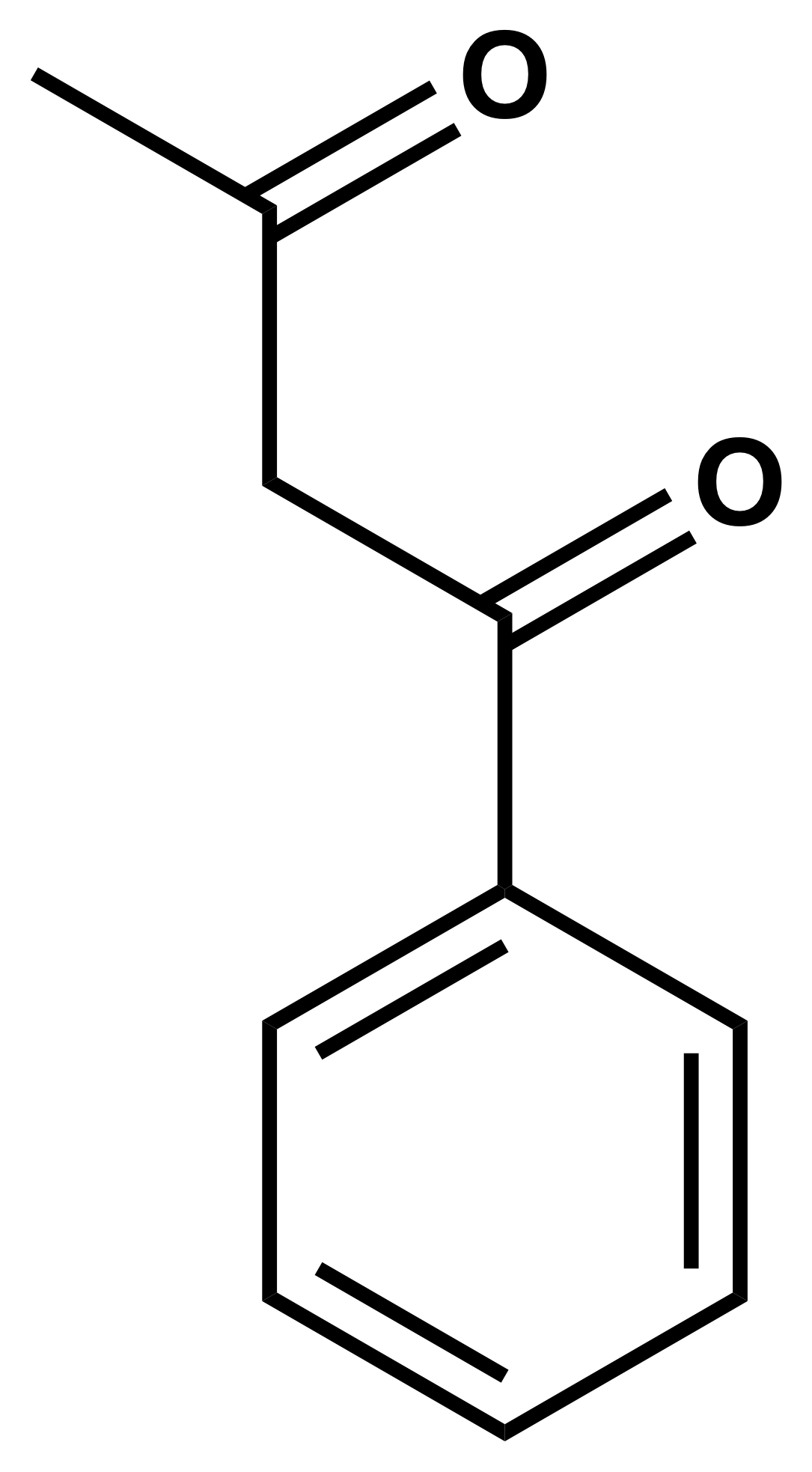
+
Amino-styrene
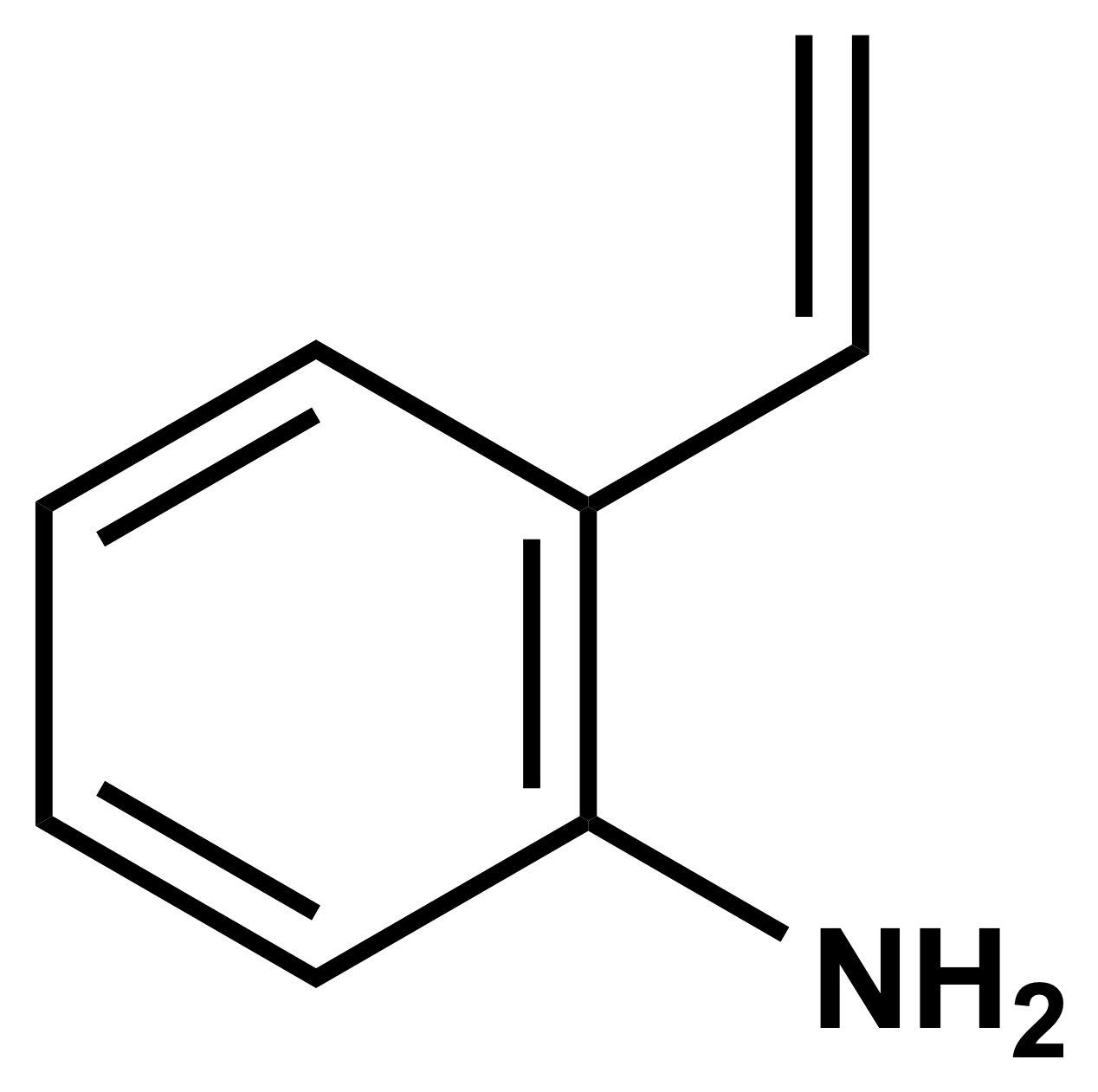
→
Enaminone (Z-isomer)
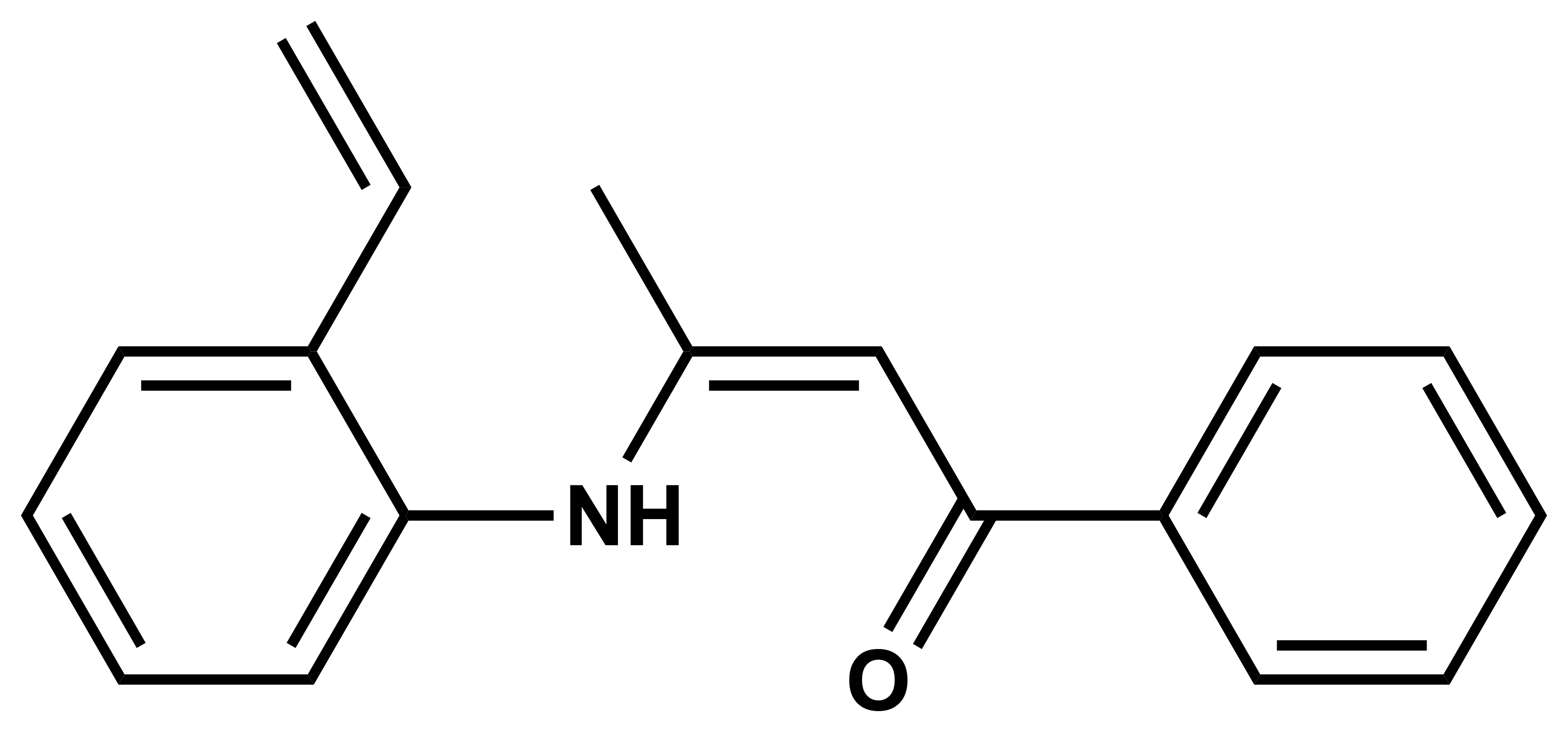
H-bonded conformation
Step 2: ESIPT Process
Enaminone
Intramolecular H-bonded
int-imine
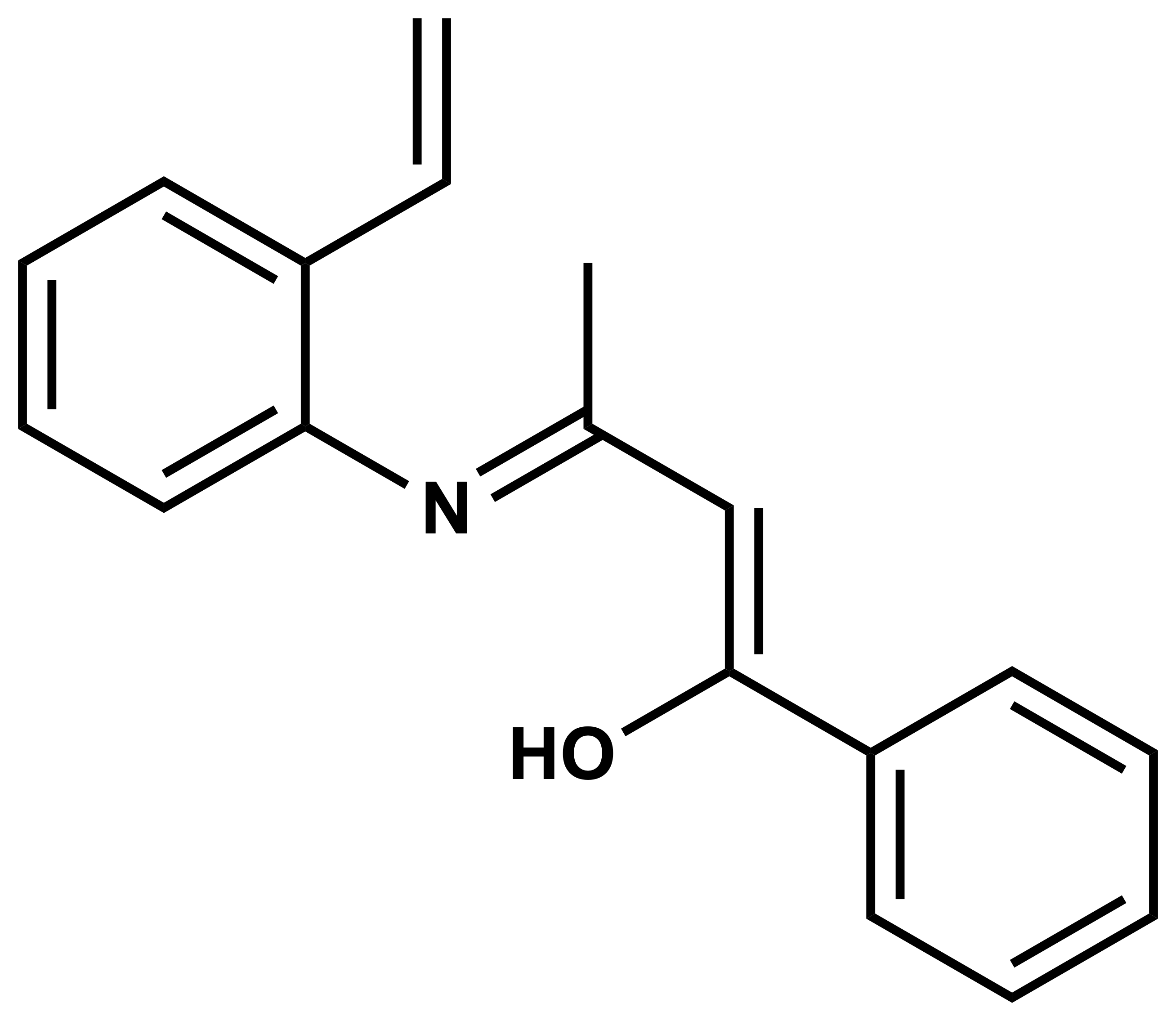
Proton transferred tautomer
Step 3: Cyclization
int-imine
Cyclic Intermediate
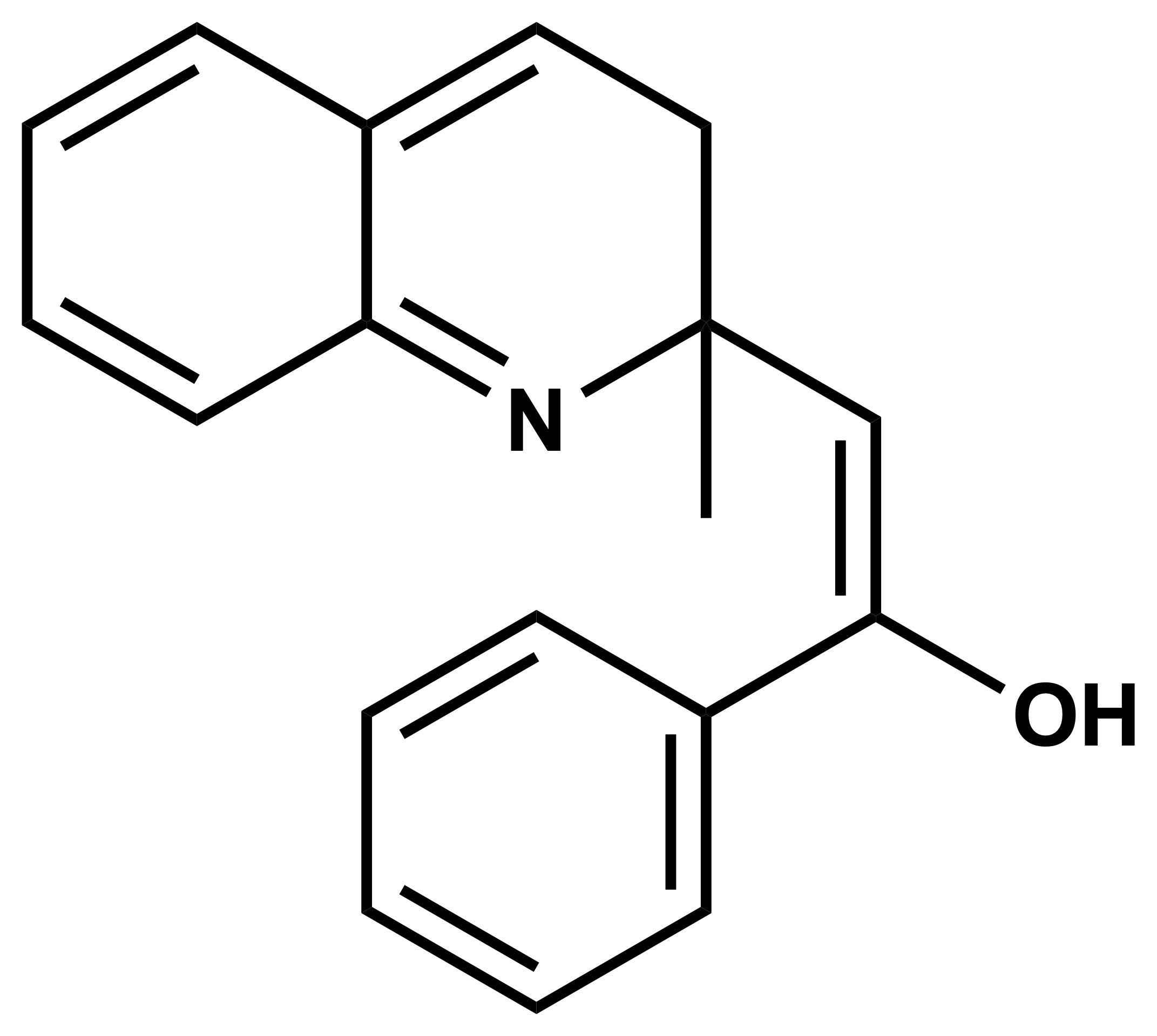
6-membered ring forming
Zwitterion (ZW)
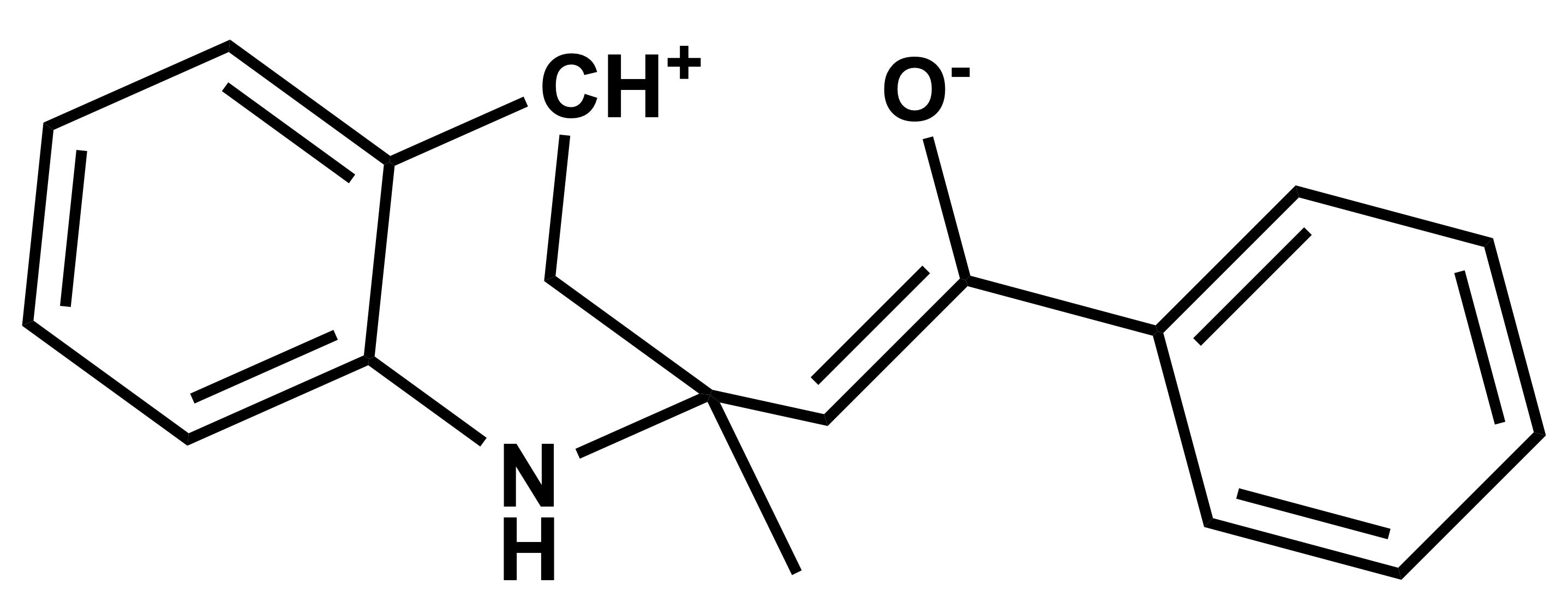
Step 4: Product Formation
Zwitterion
→
Final Product
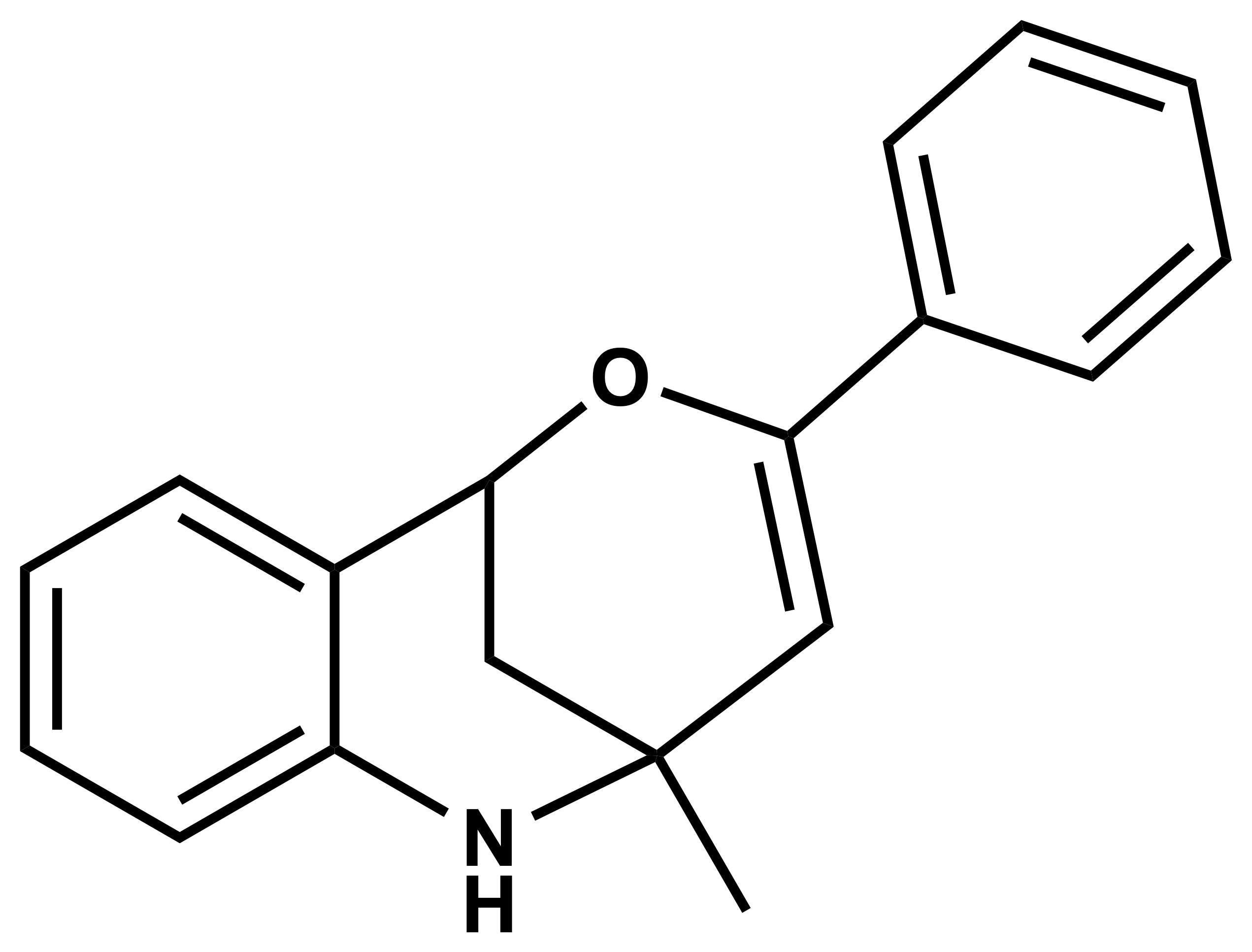
Dihydropyran (Bicyclic)
Key Features of ESIPT Mechanism
- ✓ Proton transfer is the key initiating step
- ✓ Creates reactive int-imine intermediate
- ✓ Cyclization forms new C-C bond
- ✓ Rearomatization drives reaction forward
- ✓ Single-step transformation from planar to bicyclic
Proposed Computational Chemistry Studies
Theoretical Validation of ESIPT Mechanism and Transition States
Transition State Calculations
Method: M06-2X/6-311++G(d,p)
# m062x/6-311++G(d,p) opt=(calcfc,qst2,noeigen) freq=noraman scrf=(smd,solvent=methanol)
Key Parameters:
- • M06-2X: Excellent for main-group thermochemistry
- • 6-311++G(d,p): Triple-ζ with diffuse & polarization
- • QST2: Synchronous transit-guided quasi-Newton
- • SMD: Solvation model (methanol)
Expected Outcomes:
- • Confirm enaminone 4a as the true intermediate
- • Activation energy (ΔG‡)
- • IRC validation of pathway
- • Vibrational mode analysis
TD-DFT Calculations for Excited States
Method: ωB97X-D/aug-cc-pVTZ
# td=(nstates=10) wb97xd/aug-cc-pvtz scrf=(smd,solvent=methanol)
Before ESIPT (S₁)
N-H···O Configuration
Normal enaminone - Intramolecular H-bonded
- Key Analysis:
- • N-H bond length
- • H···O distance
- • N-H-O angle
- • Dipole moment: μ₁
- • HOMO-LUMO gap
- • Oscillator strength
After ESIPT (S₁)
N···H-O Configuration
int-imine - Proton transferred tautomer
- Key Analysis:
- • O-H bond length
- • N···H distance
- • N-H-O angle
- • Dipole moment: μ₂ (Δμ change)
- • Charge redistribution
Computational Workflow Summary
1. Ground State Optimization
→
2. TD-DFT Excitation
→
3. S₁ Optimization
→
4. TS Search (QST2)
→
5. IRC Validation
These calculations will provide definitive theoretical support for the ESIPT mechanism and confirm enaminone 4a as the key intermediate
Next Steps: Advanced Multiconfigurational Methods
CASSCF/CASPT2 Calculations
- Purpose:
- • Accurate multireference treatment
- • Conical intersection characterization
- • Correct description of bond breaking/forming
- • Static correlation effects
NAMD Simulations
Non-Adiabatic Molecular Dynamics
- Objectives:
- • Real-time ESIPT dynamics
- • Surface hopping trajectories
CASSCF/CASPT2 + NAMD will provide complete dynamical picture of the ESIPT pathway
Complete ESIPT Mechanism: Chemical Structures
Step-by-Step Transformation from Reactants to Dihydropyran Product
Key Mechanistic Features
Step 1
Enaminone Formation
Key Mechanistic Features
Step 1
Enaminone Formation